How Loan Interest Works in Malaysia
What 0.05%/day really costs, with a worked example.
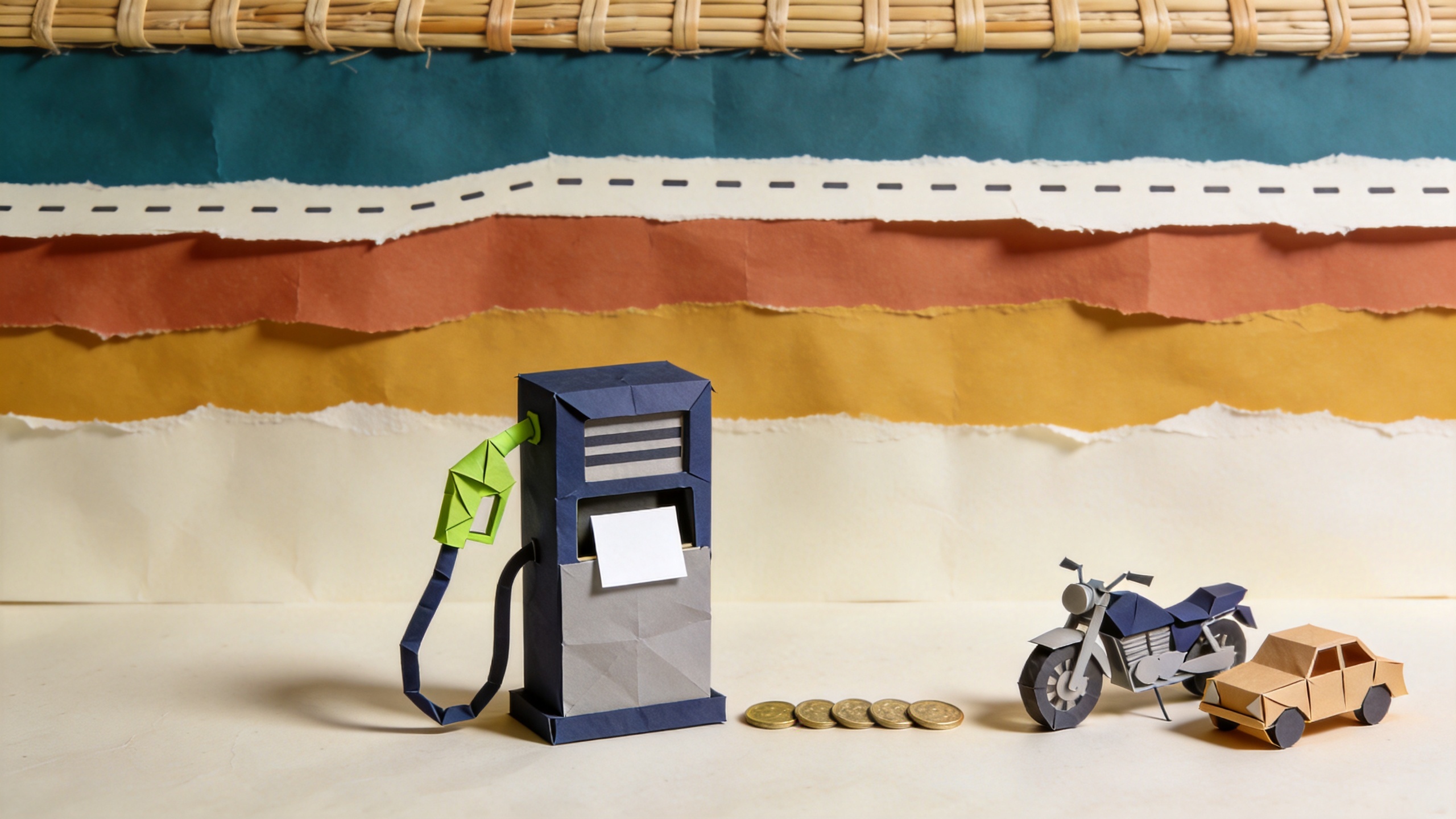
RON95 still costs RM1.99 a litre — but only up to a point. Since April 2026 the subsidised quota is 200 litres a month per Malaysian, tapped by MyKad. Here's what that covers, what happens above it, and how to keep your transport spending steady.
Under BUDI95, Malaysian citizens pay RM1.99 per litre for RON95 — verified by MyKad at the pump — for up to 200 litres a month (cut from 300 litres on 1 April 2026). Above that, you pay the unsubsidised market price. RON97 and diesel are not covered by the RM1.99 price. For most private commuters 200 litres is more than enough; the people who feel the cap are heavy drivers — e-hailing, delivery, long daily commutes. The fix is budgeting, not borrowing: track your quota, drive efficiently, and keep petrol as its own line in your monthly plan.
For most Malaysians, petrol is not a monthly decision — it's an automatic one. You fill up when the needle drops and think about it later. BUDI95 quietly changed that, because the subsidy you rely on now comes with a monthly limit. Knowing where that limit sits, and whether you're anywhere near it, is the difference between a predictable transport budget and an unwelcome surprise at the pump.
BUDI95 (BUDI MADANI RON95) is Malaysia's targeted RON95 subsidy, in force since 30 September 2025. The idea is simple: keep the pump price low for citizens while stopping the subsidy from leaking to non-citizens and to fuel bought in bulk.
None of this is a discount you apply for. It's automatic for citizens — as long as you stay inside the monthly quota.
Here's the part many people missed. The RM1.99 price isn't unlimited. It applies to 200 litres per month per person — reduced from the original 300 litres on 1 April 2026. Buy more than 200 litres in a month and the excess is charged at the unsubsidised market price.
So the real question is: how much do you actually burn? At roughly 10 km per litre for a typical car, 200 litres covers about 2,000 km a month. Use the table below to place yourself.
| Your driving | Rough monthly petrol | Inside the 200-litre cap? |
|---|---|---|
| Motorcycle commute (~40 km/litre) | Well under 100 litres | Comfortably inside |
| Car, city commute ~1,000 km | ~100 litres | Inside |
| Car, ~2,000 km a month | ~200 litres | Right at the edge |
| E-hailing / delivery ~4,000 km | ~400 litres | Over — excess at market price |
The takeaway: if you're a private commuter, the cap probably never touches you. If you drive for a living, it's worth knowing exactly where your quota runs out — most station apps let you check how much subsidised fuel you've used this month.
Two common misunderstandings are worth clearing up, because they change your budget:
Even with the quota, the government expects to spend close to RM40 billion subsidising fuel in 2026 — more than double the RM15 billion first set aside in Budget 2026. The 200-litre limit is how the subsidy is kept targeted at everyday drivers rather than heavy commercial use. Treat it as a fixed feature of your budget, not a temporary quirk.
Petrol is one of the easiest lines to bring under control, because small habits compound:
Petrol itself should never be a reason to borrow — it's a recurring cost, and recurring costs belong in the budget, not on credit. But transport throws up the occasional one-off that genuinely can't wait: a breakdown that stops you getting to work, an urgent repair, a licence or insurance renewal you can't skip.
If that happens and your buffer isn't enough, borrow only from a KPKT-licensed lender — never an online Ah Long promising fast cash on WhatsApp. CreditXpress (Opg Capital Holdings Sdn Bhd, KPKT licence WL3337/07/01-11/020227) lends RM500–RM20,000 with your MyKad, the full rate shown on screen before you accept. It's a bridge for a one-off shock — not a way to pay for next month's fuel.
Licensed WL3337. RM500–RM20,000 with your MyKad, the full rate shown before you accept.

What 0.05%/day really costs, with a worked example.

A short, honest checklist — who's eligible and what speeds approval.

Loan sharks on Facebook & WhatsApp — and the 2-minute licence check.